Brass scrap price
Brass Introduction
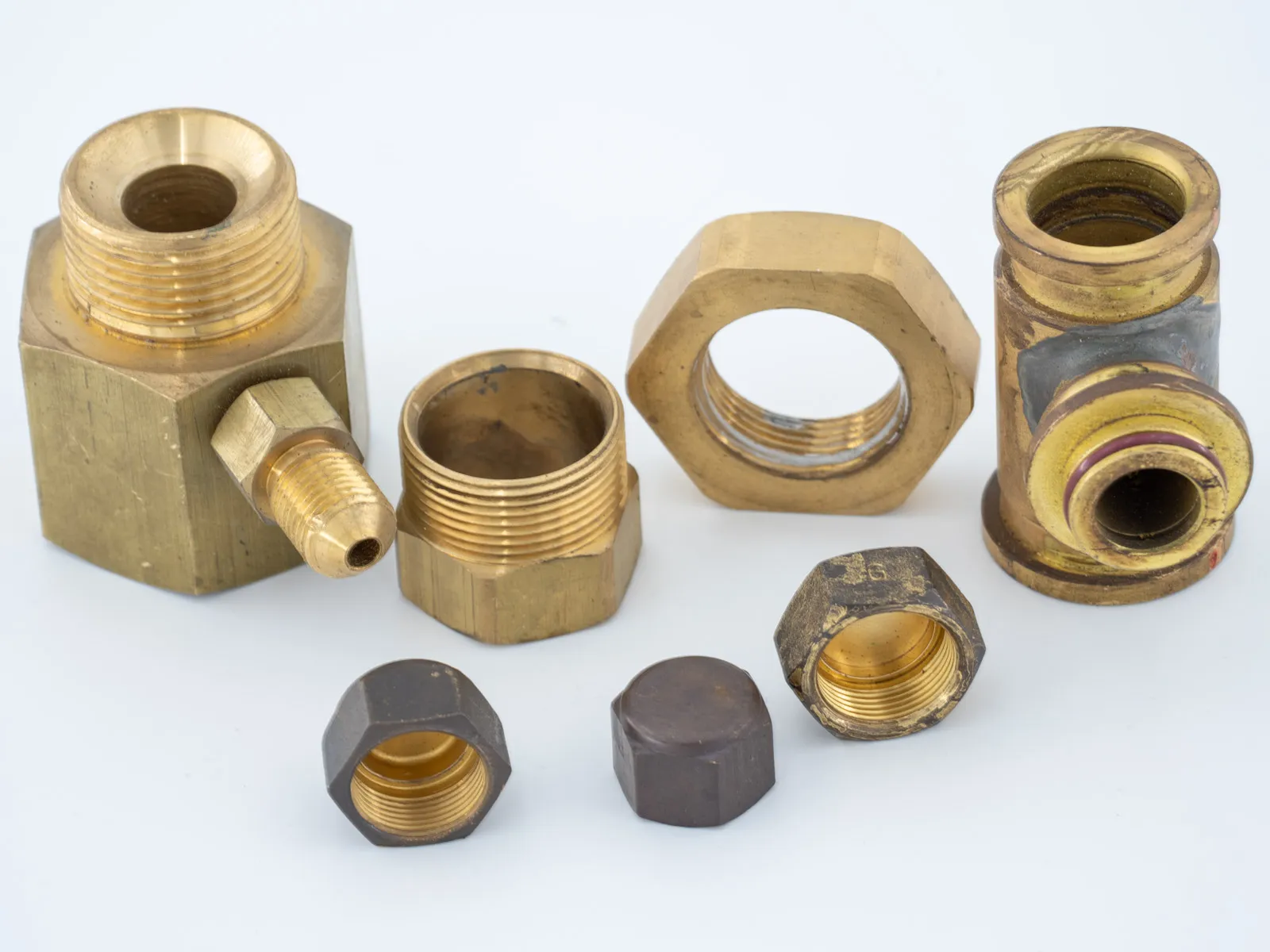
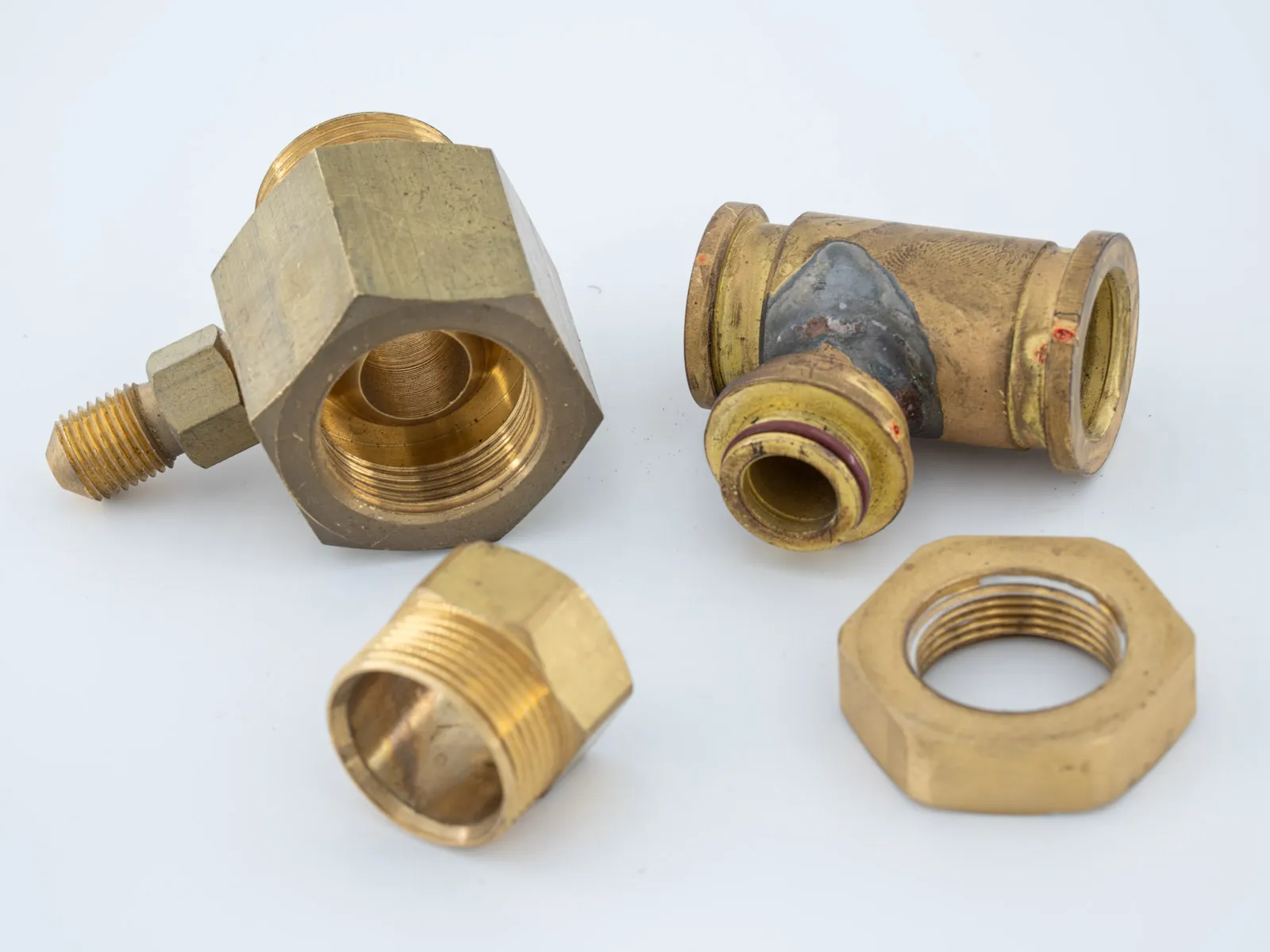
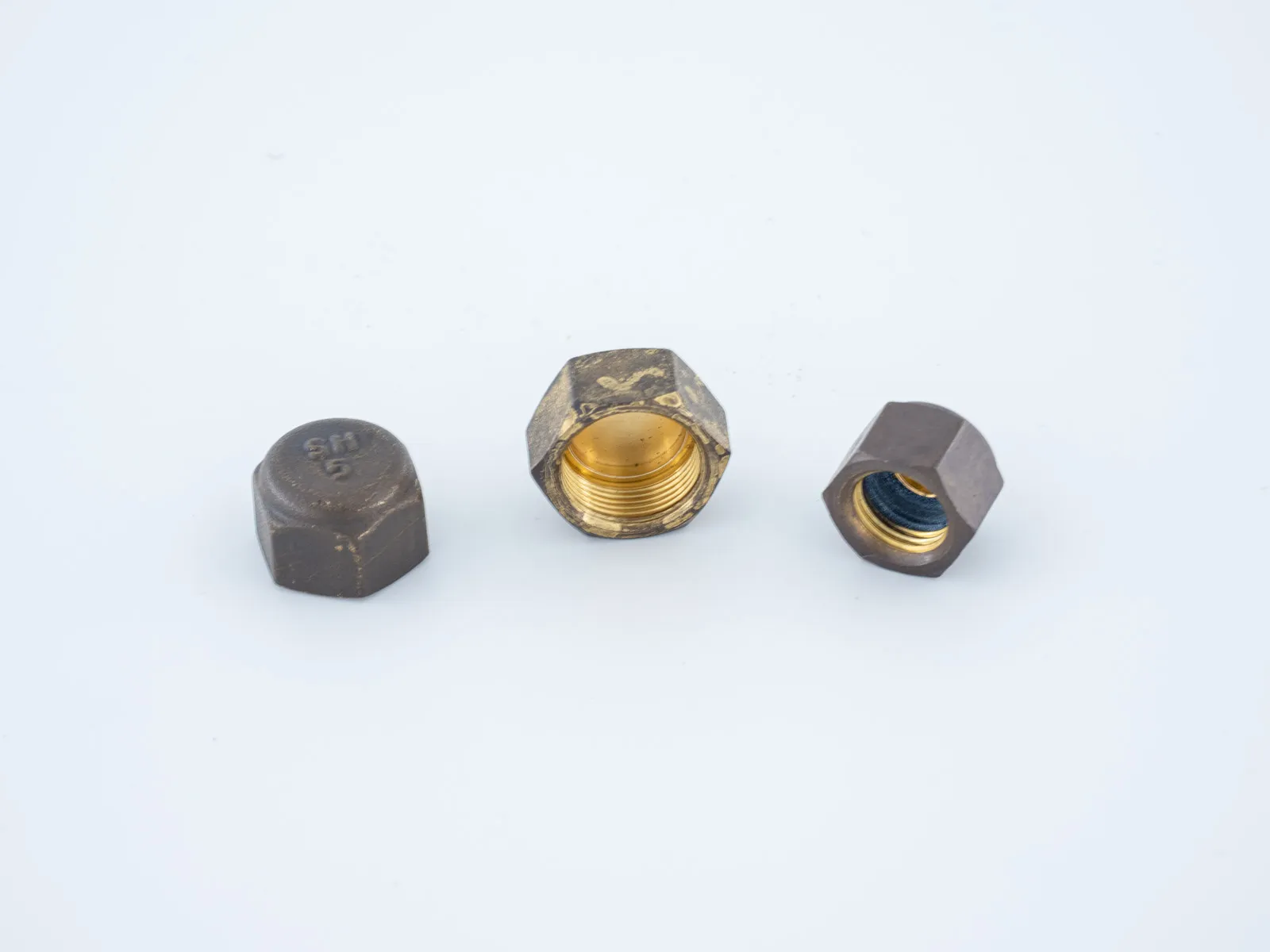
We buy brass scrap including faucets, fittings, and brass instruments.
Updated: 2026-04-02 08:00
Today's scrap price for this material
3.00 CAD / lb
This price applies to materials delivered to our Delta, BC, Canada yard.
Contact us by phone or email
📞
Phone (Delta, BC, Canada)
+1 778-751-0879
✉️
e-Mail
info-ca@ohatascrap.com
Brass Buying Conditions
- Brass is an alloy primarily composed of copper and zinc.
- Items such as water faucets, nuts, Buddhist altar fittings, and brass instruments fall under this category.
- Items with dust or attachments are subject to a deduction.
- Brass wire cut pieces are included in this category; however, short-cut pieces are discounted.
- For items around water faucets, be cautious of stainless steel contamination.
- Around gas and water valves or cocks, zinc-based materials are often found instead of brass; some zinc items appear yellow, so careful checking is required.
- Plated items around water faucets may include brass, gunmetal, or occasionally copper, but since they cannot be separated, they are treated as brass.
- Brass shavings generally contain non-brass impurities or oil, so they are heavily discounted (this applies even if impurities or oil are not visible, as full inspection is not possible).
- Brass coins have different unit prices, and if impurities are present, they may not be accepted for purchase.
FAQ
- 1. What is today’s price for Brass?
- As of 2026-04-02 08:00, Ohata Shoji Canada Inc, (Delta, BC, Canada) is purchasing Brass as scrap metal at 3.00 (CAD/lb). We provide competitive scrap metal prices in Delta, Surrey, Richmond, and across the Greater Vancouver area.
- 2. Q: What types of brass do you accept, and do they need to be pre-sorted?
- A: We accept a wide variety of brass scrap, including Yellow Brass, Red Brass, Semi-Red Brass, Brass Turnings, Brass Solids (like valves and fixtures), and even Brass Shell Casings. While we can handle mixed loads, separating your brass into different types beforehand will always result in the highest price per pound. If you bring in a mixed load, our trained staff will separate and grade the material on-site, and it will be priced accordingly. We recommend keeping high-value alloys like Red Brass (which has a higher copper content) separate from common Yellow Brass.
- 3. Q: How is the price for my brass scrap determined, and when will I be paid?
- A: The price we offer for your brass scrap is primarily determined by two factors: the current market price of copper and zinc (the main components of brass), and the specific alloy/grade of the brass you are selling (e.g., Red Brass is typically worth more than Yellow Brass). We use calibrated scales certified by the state to ensure accurate weight. Payment is typically issued immediately upon completion of grading and weighing. We offer several payment methods, including cash, company check, or electronic transfer (ACH), depending on the transaction size and your preference.
- 4. Q: Are there any specific materials or contaminants that will cause my brass scrap to be rejected or downgraded?
- A: Yes, contaminants must be minimized to ensure the best price. The most common downgrading contaminants include: Excessive Iron/Steel: Any ferrous metal attached (e.g., steel stems in brass valves, bolts). Non-Metallics: Rubber, plastic, wood, or heavy dirt/oil. Sealed Containers: Closed items like fire extinguishers or compressed gas cylinders must be cut open and emptied for safety. Aluminum Bronze: This alloy looks similar to yellow brass but is priced differently. We strongly advise sellers to remove non-brass attachments. Any significant contamination will be deducted from the total weight or may result in a lower "unclean" price per pound.
- 5. Q: I have a large industrial quantity of brass turnings. Do you offer pickup services or require specific preparation?
- A: For large industrial quantities, especially Brass Turnings (shavings/chips from machining), we are happy to discuss scheduled container drop-off and pickup services at your facility. This saves you transport time and labor. Regarding preparation, turnings should be as dry and free of cutting fluids/coolants as possible. Excessive oil or water will be considered a contaminant and reduce the net weight and price. If the turnings are extremely oily or "wet," they may be subject to a "sludge" deduction or a significantly lower price grade.
- 6. Q: Do I need any specific identification or documentation to sell scrap brass to your company?
- A: Yes, for compliance with state and local regulations regarding scrap metal transactions, all sellers must provide valid identification. You must present a current, government-issued photo ID (e.g., Driver's License or State ID). For certain high-value transactions or bulk commercial sales, we may require additional documentation, such as a Tax ID (EIN) for businesses or proof of ownership for large items like utility brass. We keep records of all transactions as mandated by law.