
Brass Scrap Buying in Canada | Ohata Shoji Canada Inc.
Last updated: Jun 06,2026 - based on current market conditions.
Ohata Shoji Canada Inc. purchases brass scrap for recycling and material recovery, evaluating each shipment based on material type, cleanliness, and any attached foreign matter. Materials are received and inspected at our recycling yard in Delta, BC.
With more than 25 years of experience in metal recycling through our parent company, Ohata Shoji Japan (established in 1998), we apply careful and consistent evaluation practices to brass scrap purchases in Canada.
If you are unsure whether your material is brass, you are welcome to bring a sample or clear photos. Our team can help confirm the material and provide guidance for an accurate quote.
Types of Brass Scrap We Purchase
We purchase a wide range of brass scrap for recycling. Brass is a copper and zinc alloy and is typically yellow in colour, similar to a five-yen coin.
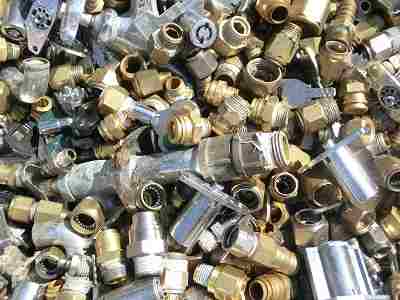
Brass scrap
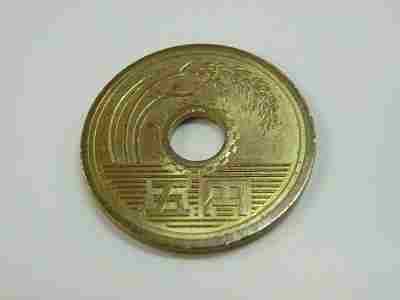
Brass-coloured example (five-yen coin)
Common brass items include water faucets, valves, nuts, coins (medals), wire cuttings, musical instruments, Buddhist altar fittings, and jewelry. Many brass items include plating or mixed attachments and are therefore purchased as mixed brass. In Japanese scrap terminology, this is often referred to as “komi,” meaning material with attached components.
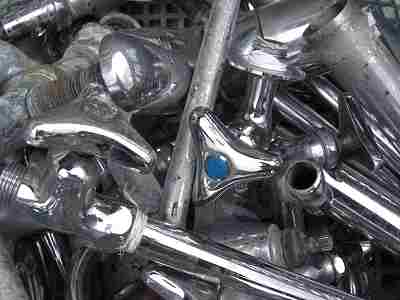
Water faucet
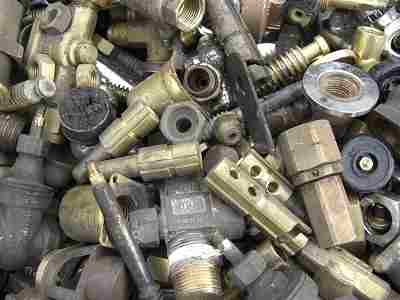
Brass valves
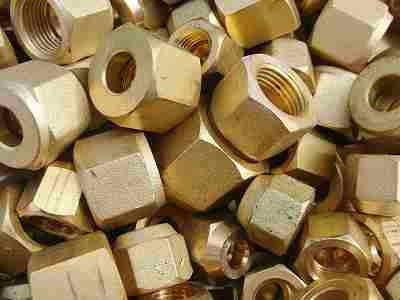
Brass nuts
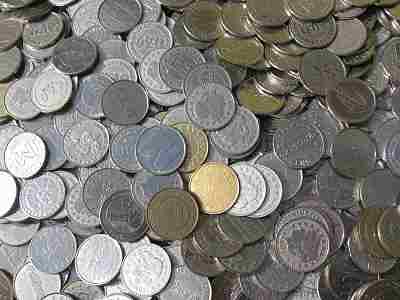
Brass medals
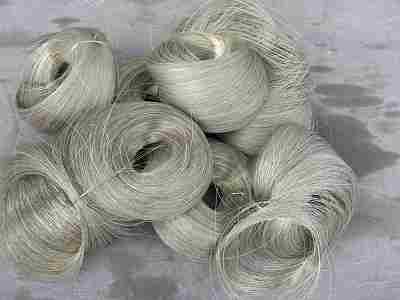
Brass wire cuttings
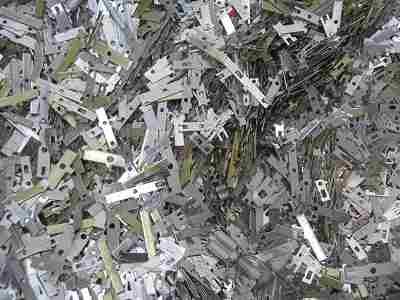
Brass terminals
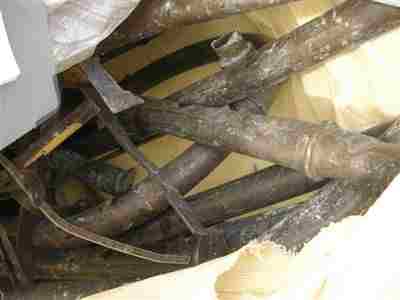
Brass pipe
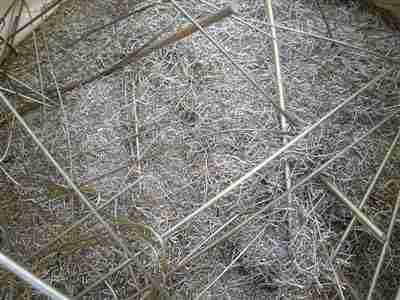
Brass chips and machining swarf
Some brass items may appear silver due to plating. When the surface is lightly scraped, the underlying yellow brass colour may become visible.
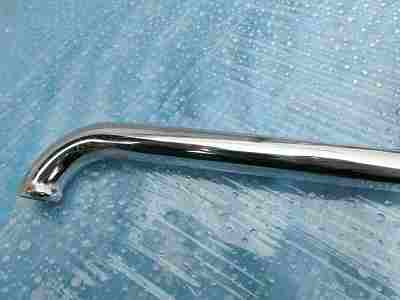
Plated faucet
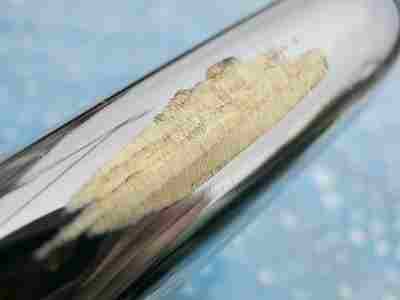
Scraping reveals the brass colour
Because plating is common, scraping a small area before delivery can help with identification.
Brass alloys vary in copper-to-zinc ratio. Many common brasses contain approximately 60% to 70% copper.
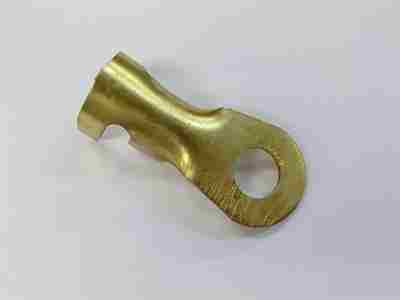
Brass crimp terminal
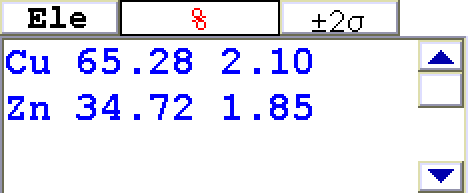
Example analysis result
Preparation Guidelines: Remove Dust and Dirt
In recent years, contamination standards for scrap metal have become stricter. Dust, dirt, and loose debris can affect grading and reduce the purchase price.
For the best evaluation, please remove dust and loose contamination as much as possible before bringing your brass material in.
Sepa and Kopel Brass Blanking Scrap
We also purchase brass blanking scrap commonly referred to as sepa (seba) and kopel.
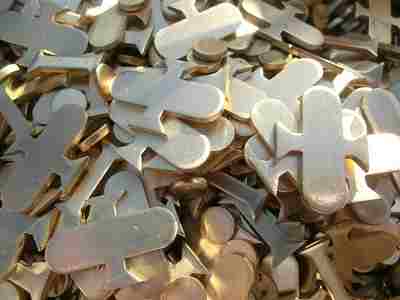
Sepa
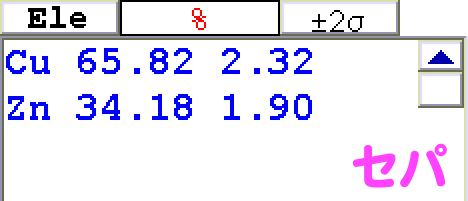
Analysis results example
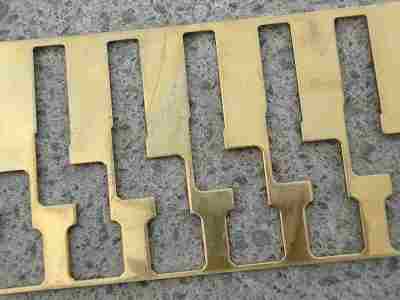
Koppel
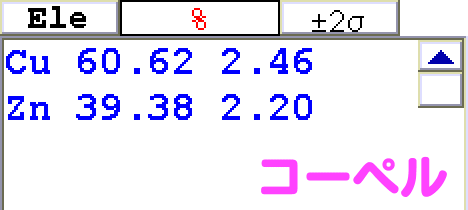
Analysis results example
Thickness is 0.2mm or more, but for handling purposes, a size of 10mm (1cm) is required.
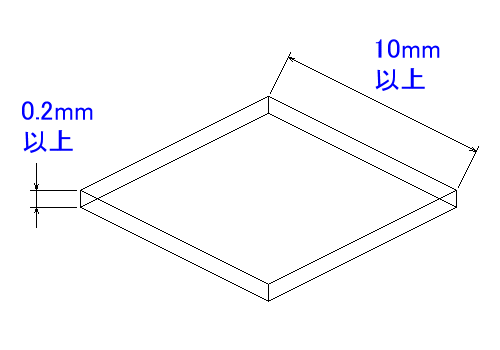
Size of sepa and kopel
We require the minimum size above because very small pieces are difficult to handle and sort efficiently.
Brass Chips and Machining Shavings
Brass chips and machining shavings are typically purchased at a lower price than solid brass.
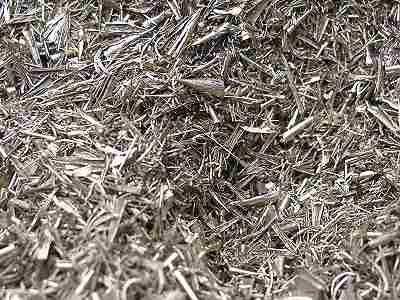
Brass chips
Shavings and cuttings often include contamination such as other metals, coolant, or oil. Even if they appear clean, it can be difficult to confirm composition after shipment, which impacts evaluation.
Brass Medals and Plated Items
Some medals used in gaming or vending applications are brass, but surface plating can make identification difficult. In such cases, we may scrape a small area to confirm the base metal before purchasing.
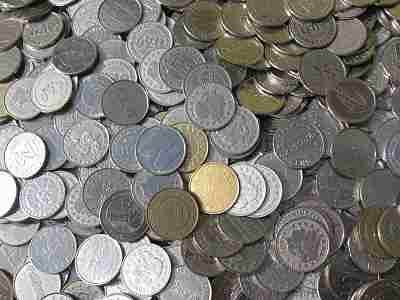
Brass medals
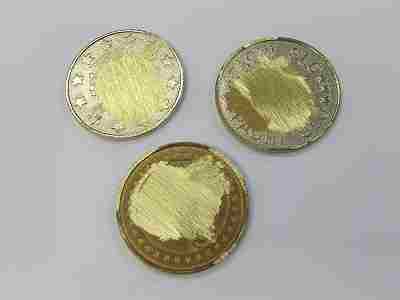
Scraping reveals the brass colour
Not all medals are brass. Some are stainless steel or nickel silver, and once mixed it may be impractical to separate them.
If different materials are mixed together, it may not be possible to identify or evaluate the shipment properly. Since we cannot separate them one by one by hand, we may be unable to accept the lot.
Bi-Metal Medals (Not Accepted)
Please watch for bi-metal medals where the inside and outside are different metals.
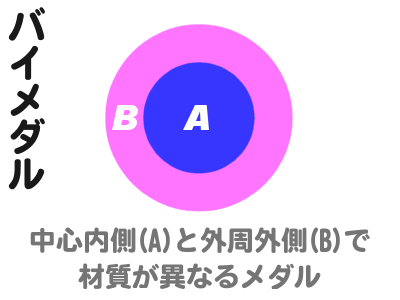
Composition of bi-medals
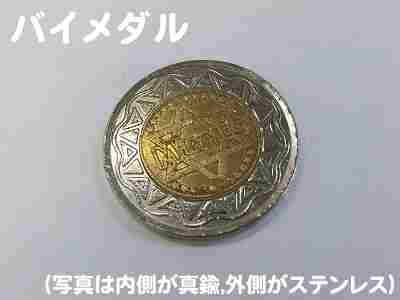
Bi-medals have different metals on the inside and outside
Separating the inner and outer metals of bi-metal medals takes excessive time and labour.
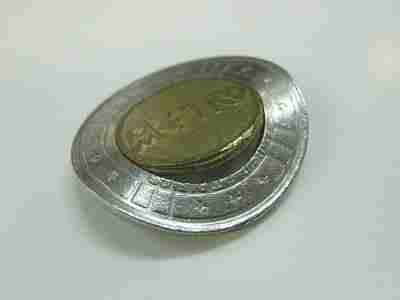
Because the inside and outside are strongly bonded, dismantling bi-medals is extremely difficult
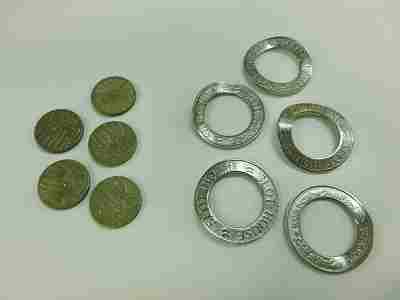
Example of separated metals, but it requires significant effort
Because bi-metal medals are not practical to separate, we cannot purchase them in that condition.
If the inside and outside are already separated and sorted by metal type, we can inspect each material and evaluate it accordingly.
How to Identify Red Brass
Brass is a copper and zinc alloy. A similar copper-zinc alloy with higher copper content is often referred to as red brass.
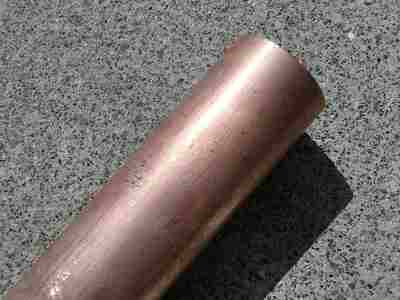
It looks like copper pipe, but...
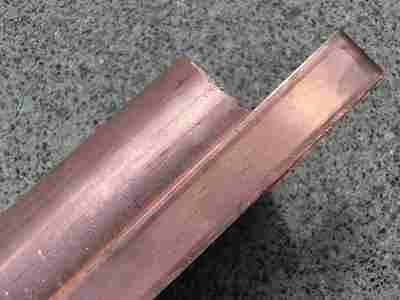
Is the colour slightly different compared to the copper piece (right)?
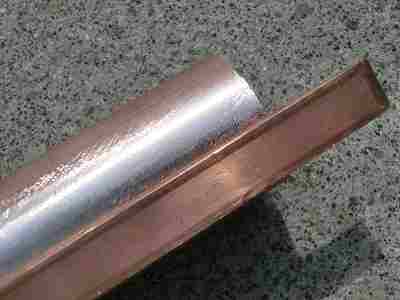
Is it white when scraped?
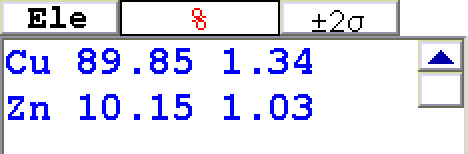
A type of red brass (approx. 90% copper and approx. 10% zinc)
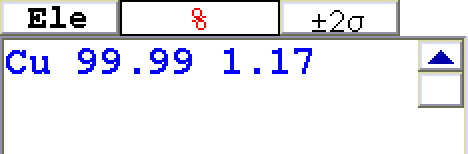
Copper piece (99.99% copper)
Red brass can look similar to copper, but it may appear slightly lighter. Scraping a small area can help confirm the difference.
Brass vs. Gunmetal (Bronze)
Another common copper alloy is gunmetal (bronze).
If the surface colour is affected by oxidation, dirt, or plating, scraping can help reveal the base metal. In some cases, it can still be difficult to distinguish without grinding and comparing pieces side by side.
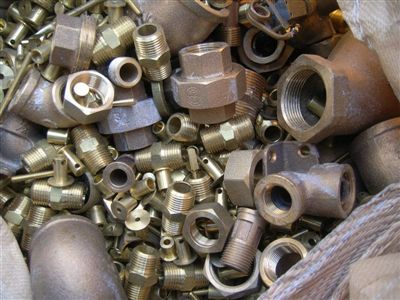
The yellow is brass, and the red is gunmetal
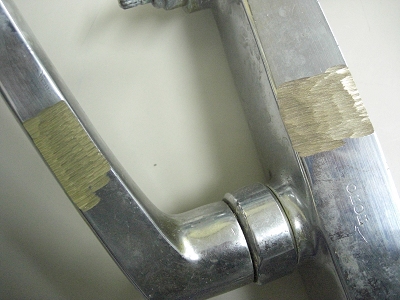
Comparing brass (left) and gunmetal (right)
If it is difficult to confirm visually, we can check composition using a metal analyzer.
Nickel Silver Compared to Brass
When nickel is added to a copper and zinc alloy, it is generally called nickel silver.
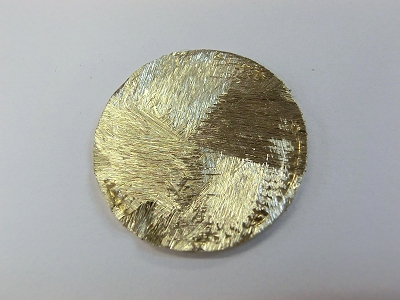
Nickel silver coin
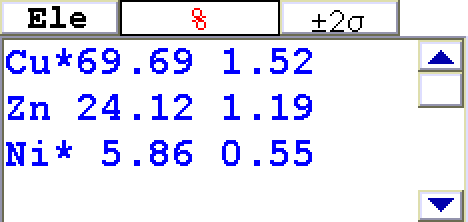
Analysis of a nickel silver coin